Loading...
Serving Beckley, WV and surrounding areas. (681) 238-4193
Every gap in your attic ceiling sends heated air straight up and out of your home. Proper attic air sealing closes those gaps so your furnace isn't working against you all winter.
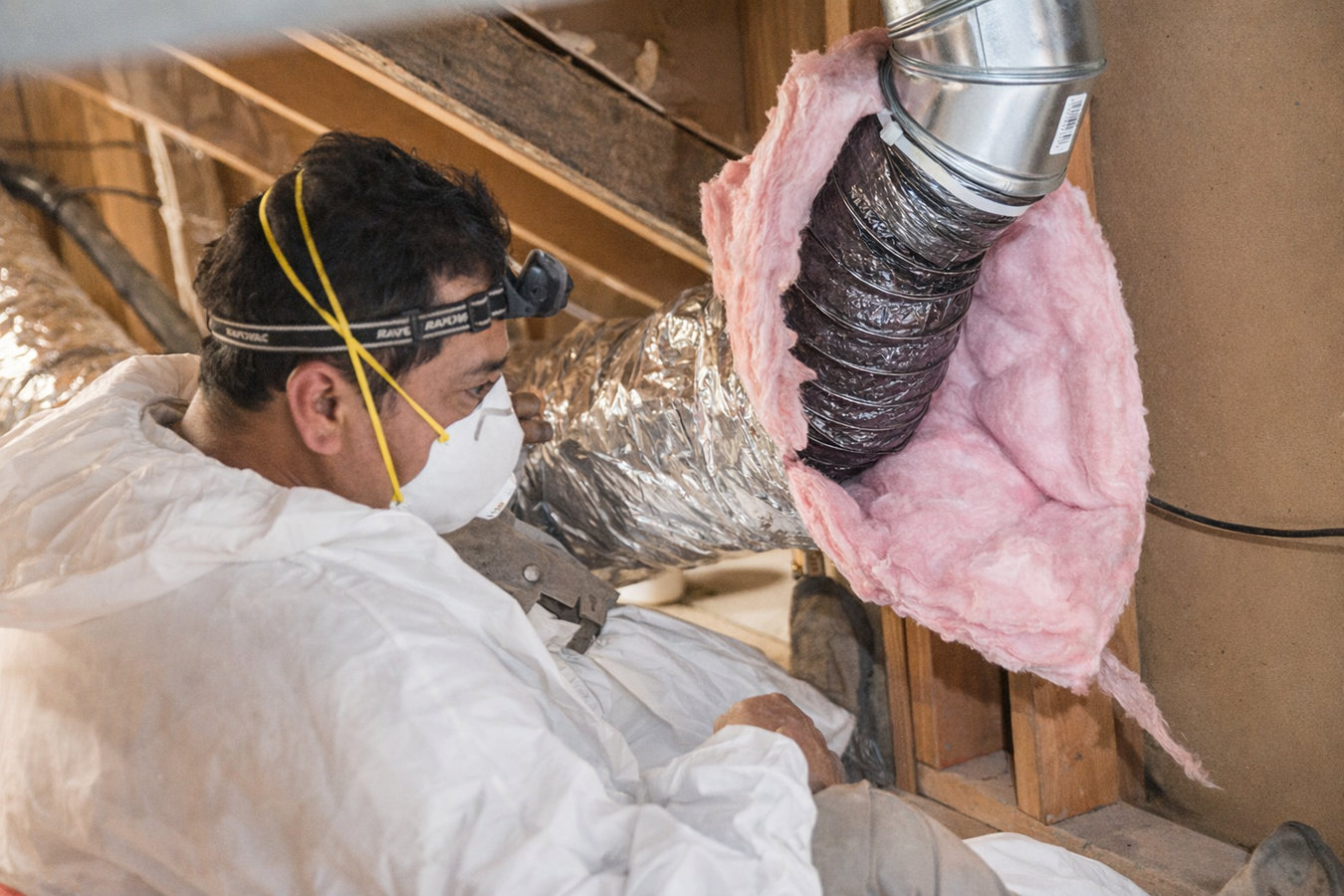
Attic air sealing means finding and closing every gap, crack, and penetration in the ceiling between your living space and the attic above - around light fixtures, plumbing pipes, wiring, and the attic hatch. Most jobs are completed in a single day, and the materials used are permanent.
Beckley sits at roughly 2,400 feet in the Appalachian coalfields, where January lows regularly drop into the teens and the heating season stretches from October through April. Warm air rises, and in any home with an unsealed attic floor, it escapes upward through dozens of small openings that together act like an open window left cracked all winter. Your furnace replaces that lost heat continuously - and you pay for it every month. In Beckley's long heating season, even moderate leakage adds up to real money. A large share of the city's housing was built before 1980, when air sealing wasn't standard practice, so the opportunity for improvement is significant.
Attic air sealing works best when done before adding insulation. For homes considering both steps, our retrofit insulation service covers both in a single project. The U.S. Department of Energy guidance on air sealing explains why sealing gaps before insulating is the correct sequence - and why skipping that step leaves most of the potential savings on the table.
If your gas or electric bill climbs sharply from October onward and you haven't changed your habits, air leaking out of your living space is a likely culprit. Beckley's long, cold heating season means even moderate leakage adds up to real money over six months. If your neighbors in similar-sized homes are paying noticeably less to heat their houses, that gap is worth investigating.
When cold air infiltrates through the attic and ceiling, the rooms directly below the attic are usually the first to feel it - you'll notice a chill near the ceiling, cold spots, or a room that never reaches the temperature on the thermostat. In Beckley winters, where temperatures can drop into the teens, this discomfort is a clear sign that conditioned air is escaping upward.
The attic hatch is one of the most common and most overlooked air leaks in any home. Stand under it on a cold day and hold your hand up - if you feel cool air falling down, or if you can see light around the edges when the attic is lit, you have a gap that's costing you money every day of the heating season.
Ice dams - the ridges of ice that build up at the edge of a roof after a snowfall - are a classic sign that warm air is escaping from your living space into the attic and melting snow from underneath. Beckley gets enough winter precipitation that ice dams are a real risk, and they can cause water to back up under shingles and damage your ceiling. Air sealing the attic floor is one of the most effective ways to prevent them.
Before we apply any foam or caulk, we walk the attic with a flashlight and identify every penetration that needs sealing - recessed lights, plumbing stacks, electrical chases, interior wall top plates, and the attic hatch. We don't skip the assessment and go straight to spraying; the assessment is what makes the job complete rather than partial. Foam is used for larger gaps and irregular openings, caulk for smaller cracks around framing and fixtures, and rigid foam covers for recessed lights that can't be sealed directly. Every penetration gets addressed before we're done.
For homes where insulation is also being upgraded, air sealing is the first step - done before any new insulation material goes in. Homeowners who want a complete energy improvement can pair attic air sealing with our full air sealing services for a whole-home approach. And for homes with older, inadequate insulation above the sealed ceiling, our retrofit insulation service can be done in the same visit.
Comprehensive sealing of every penetration in your attic floor - recessed lights, plumbing, wiring, wall top plates, and the attic hatch - using foam, caulk, and rigid covers as appropriate.
The attic hatch is one of the most overlooked air leaks in older Beckley homes. We weatherstrip the frame, add a foam gasket, and seal any gaps around the frame so the hatch closes tight.
For homes adding blown-in or batt insulation, we seal the attic floor gaps first so the new insulation performs at its full rated value - the correct sequence that many contractors skip.
For homeowners who want to understand what's in their attic before committing to a scope of work - a full in-person walkthrough with a written summary of what we find and what we recommend.
A large share of Beckley's residential housing was built between the 1940s and 1970s, when air sealing was not a standard part of construction. Homes from that era were built with minimal attention to the ceiling penetrations that are now understood to be the primary pathway for heat loss. Many Beckley homes have attic floors that were insulated at some point - but never sealed first - which means the insulation is doing only part of its job. Adding more insulation on top of unsealed gaps delivers far less than its rated value, because warm air still moves freely through the openings underneath.
Beckley's elevation also creates a specific risk: ice dams. When warm air escapes from the living space and heats the underside of the roof deck, it melts snow that refreezes at the cold eaves - pushing ice and water under shingles. Homeowners we work with in Beckley neighborhoods tell us ice dams are one of the most visible winter complaints, and they almost always trace back to an unsealed attic floor. Addressing the air sealing is a more effective long-term solution than ice melt products or heating cables.
Humidity is also a factor. Southern West Virginia experiences significant seasonal moisture, and when warm indoor air escapes into a cooler attic, it can condense on wood surfaces and contribute to mold or rot over time. Proper air sealing protects the structure of your roof as well as your energy bill. We also serve homeowners throughout the region, including Oak Hill and surrounding communities where older housing and Appalachian climate conditions create the same set of challenges. The ENERGY STAR seal and insulate guidance covers why air sealing is considered the baseline step before any insulation upgrade.
We ask a few quick questions about the age of your home, whether any energy work has been done before, and what's prompting you to call. This helps us bring the right materials and give you a realistic time estimate before we arrive. Most jobs in the Beckley area can be scheduled within one to two weeks, with faster availability in summer and early fall.
Before any work begins, we walk your attic with a flashlight and look at what's actually there - how much insulation is present, where the obvious gaps are, and whether there are any moisture or ventilation issues to address first. This visit takes 30 to 60 minutes. You don't need to go into the attic yourself; we explain what we found in plain language before you agree to anything.
After the assessment, you receive a written estimate that breaks down what will be sealed, what materials will be used, and the total cost. We don't pressure you to commit on the spot - take the time to compare two or three estimates if you want. The estimate is also a useful way to compare how thorough each contractor's assessment was.
The crew accesses the attic and works methodically through the space sealing every gap with foam, caulk, or rigid covers depending on the opening type. Most attic air sealing jobs are done in two to five hours. When finished, we walk you through what was sealed so you know exactly what was done - and in the first full heating season, you'll see the results in your bills and room comfort.
Beckley's heating season starts early - we come out, assess your attic, and give you a written quote with no obligation to move forward.
(681) 238-4193We walk your attic before touching anything. This isn't a formality - it's how we make sure every penetration gets sealed, not just the obvious large gaps. A contractor who skips the assessment and goes straight to spraying foam is cutting corners that you'll feel in your heating bills for years.
Homes built in Beckley's coal-era construction boom have non-standard attic configurations - low-pitch rooflines, knee-wall attics, irregular ceiling layouts - that differ from the standard layouts contractors encounter in newer construction. We work on these homes regularly and aren't surprised by what we find.
We hand you a written scope and itemized materials before any work begins, so you know exactly what we are doing and what you are paying for. Ask for references from other Beckley jobs anytime - we are happy to share them before you sign anything.
Air sealing before insulation is the correct order, and it's the order we follow. If you're considering adding insulation at the same time, we'll quote both together so you get the full benefit of each step - not half the benefit from doing them out of order.
Attic air sealing is one of the highest-return improvements a Beckley homeowner can make - and it only delivers its full value when every penetration is addressed. We do the job completely so you're not left wondering why your bills haven't changed.
Add insulation to your existing home after air sealing - the correct sequence that delivers the full rated value of every inch of insulation installed.
Learn MoreWhole-home air sealing that addresses the attic, basement, and all major leakage points in a single project for maximum energy savings.
Learn MoreBeckley's heating season starts early - lock in your appointment now and feel the difference before the first cold snap.