
Loading...
Serving Beckley, WV and surrounding areas. (681) 238-4193
Beckley's heating season runs from October through April. A poorly insulated commercial building costs you money every single day of those six months - and it never has to.
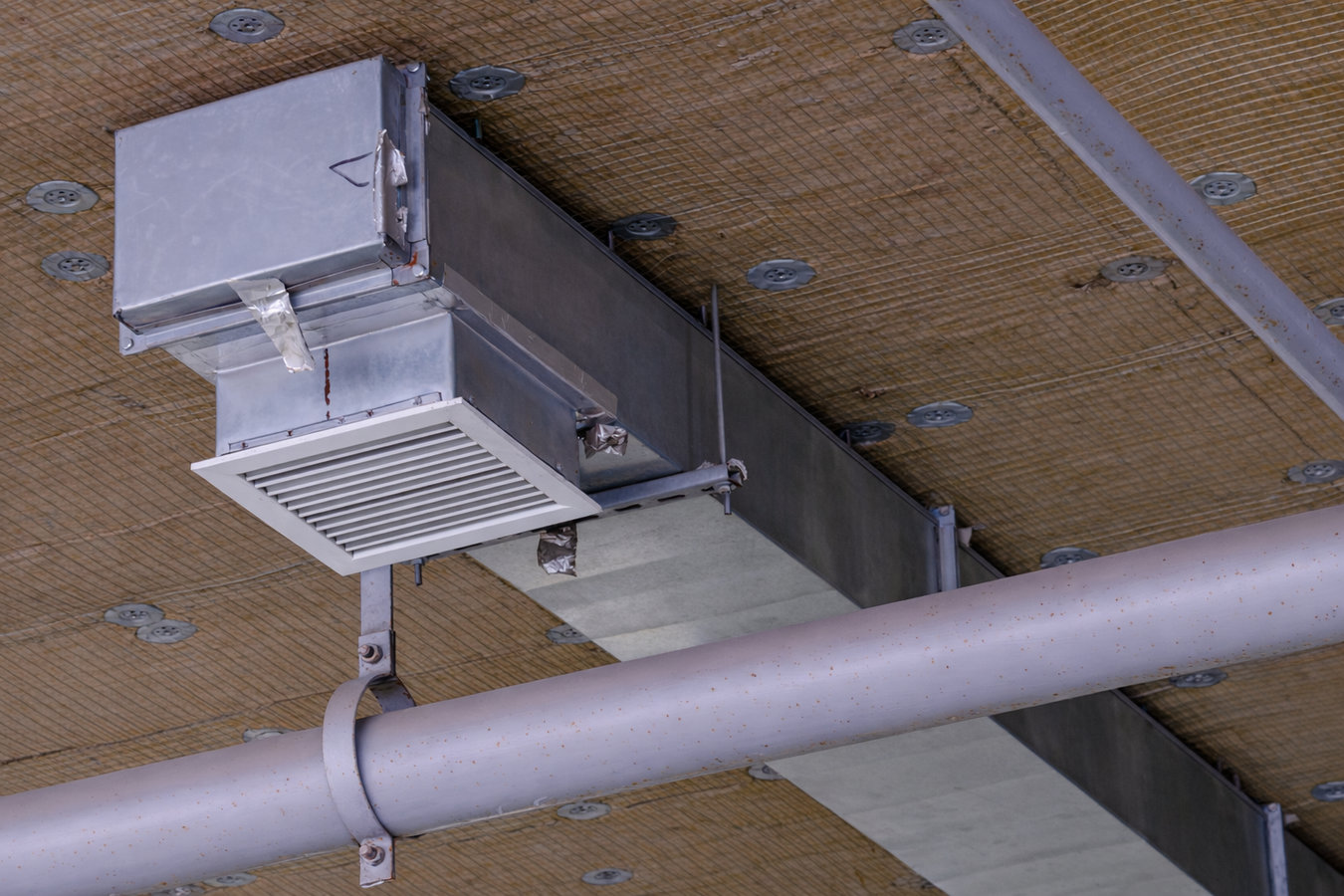
Commercial insulation in Beckley, WV slows the movement of heat through your building's walls, roof, and floors, reduces heating and cooling costs year-round, and most small to mid-sized commercial projects are completed in one to three days with minimal disruption to operations.
For business owners in Beckley, the case for commercial insulation is straightforward. The heating season runs six months or more at this elevation. If your building is under-insulated - which is common in the mid-century commercial stock that makes up much of Beckley's business district - you are paying to heat the outdoors for half the year. Beyond energy costs, poor insulation creates cold spots, drafty areas, and HVAC systems that run constantly without keeping up. A proper insulation job fixes all three problems at once.
Commercial insulation projects often include air sealing, which is where a large portion of the energy savings come from. The North American Insulation Manufacturers Association publishes commercial installation standards and guidance on what to expect from a properly executed project.
Beckley's long heating season - often six months or more - means a poorly insulated commercial building can cost you thousands of extra dollars every year. If your energy bills feel out of proportion to the size of your space, or if they have been climbing steadily without a clear reason, aging or inadequate insulation is one of the first things worth checking.
If one part of your building is noticeably harder to keep comfortable than others, that is often a sign of uneven or missing insulation. In older Beckley commercial buildings, it is common to find areas where insulation was never installed properly or has settled and thinned over the decades, leaving certain rooms cold in winter and hot in summer.
Visible gaps around pipes, vents, or where walls meet the ceiling are a clear sign that air is moving freely in and out of your building. Condensation on interior walls during Beckley's cold winters is another warning - it often means warm indoor air is hitting a cold, under-insulated surface, which can also lead to moisture damage over time.
Most commercial buildings from Beckley's mid-century growth period were built to the standards of that era, which are well below what is considered adequate today. If you have owned or managed the building for years and insulation has never come up, there is a good chance it is overdue for an assessment - especially before another cold season begins.
We install insulation in the areas that deliver the most return for Beckley commercial buildings - attics and roof decks, wall cavities in older structures, crawl spaces, and mechanical rooms. Material selection depends on where the insulation is going and what the space is used for: spray foam seals gaps tightly and works well for irregularly shaped spaces, blown-in loose fill covers large attic floors efficiently, and rigid foam board is suited to flat exterior wall applications. Before any material goes in, we walk the building, check for existing moisture problems, and assess what is already there. In older Beckley buildings, that assessment step is not optional - it protects both the new insulation and the building itself.
Our commercial work includes air sealing as a standard part of the process, not an add-on, because gaps around pipes, ducts, and electrical boxes let heat move right past the insulation if they are not addressed. For buildings that also need moisture management, we can pair insulation with our crawl space vapor barrier service for a complete solution. Businesses that want the high-performance air-sealing benefit of foam can also ask about our spray foam insulation program, which is available for both residential and commercial properties. We handle permit coordination when required, so you do not have to manage that process yourself.
Best for buildings with irregular cavities, rim joists, or areas where a tight air seal matters most - spray foam insulates and seals gaps in a single application.
Suited to large attic floors and hard-to-reach wall cavities - covers surface area quickly and fills spaces that other materials cannot reach without major demolition.
Appropriate for flat exterior wall surfaces and interior applications where a specific R-value target needs to be met within a defined thickness - common in retrofits of older Raleigh County buildings.
For buildings where the existing insulation is past its useful life or needs to be cleared before new material goes in - we assess what is there before recommending removal.
Beckley sits at roughly 2,400 feet above sea level, which makes it one of the coldest cities in West Virginia. Much of the city's commercial building stock dates to the mid-20th century coal boom - buildings that are now 50 to 80 years old and whose original insulation, if it has never been replaced, is well past its effective life. Older insulation loses its ability to slow heat transfer over time, and some materials used before the 1980s may need to be assessed before new material is added on top. The combination of Beckley's cold climate and its older building stock makes commercial insulation one of the higher-return investments a local business owner can make in their property.
Freeze-thaw cycles and persistent rainfall also create moisture risk in wall cavities and attic spaces. A good commercial insulation contractor in this area checks for moisture before installing new material - skipping that step is how insulation fails within a few years. We serve businesses across the Beckley area, including commercial properties in Oak Hill and Princeton, where the same combination of older building stock and Appalachian climate conditions applies. The work is done right the first time - no thin spots, no skipped areas, and no surprises when the cold weather hits.
We ask a few basic questions - the size of your building, what type of space it is, and what is prompting you to look into insulation now. No honest contractor quotes a commercial job over the phone. We will schedule a time to come out and look in person. Expect a response within 1 business day.
We walk through the building and look at the areas where insulation is needed - typically the attic, walls, crawl space, or mechanical areas. We check what is already there, look for moisture or air leakage issues, and take measurements. This visit usually takes one to two hours depending on the size of the building.
After the assessment, you receive a written estimate that spells out what work will be done, what materials will be used, and the total cost. A trustworthy contractor explains the estimate in plain language and answers questions without pressure. We also tell you upfront whether a permit is required and who handles pulling it.
On the day of work, the crew sets up, protects surrounding surfaces, and installs the insulation. Most commercial jobs are completed in one to three days. When the work is done, we walk you through the finished job and show you what was installed and where - so you can see the quality of coverage before we leave the site.
No pressure, no obligation. An experienced contractor walks your building and gives you a straight answer on cost and scope.
(681) 238-4193We handle permit coordination for commercial projects and give you a written scope with itemized materials before work begins. You get a clear record of exactly what was done and what you paid for - we expect that request.
In a building that has been around since Beckley's coal-era growth, there is no telling what is behind the walls until someone looks. We assess the existing insulation, check for moisture, and evaluate any conditions that need to be addressed before new material goes in. You get an honest picture of your building's situation before any work begins.
Commercial insulation work can trigger building permit requirements depending on the scope of the project. We know the local requirements for Raleigh County and handle permit coordination when it is needed - so you are not managing that process on top of running your business. The work is done by the book, which protects you if you ever sell or refinance the property.
Insulation work typically happens in attics, crawl spaces, and mechanical areas - not in the main spaces where your employees and customers are. We schedule around your business hours where possible and tell you exactly what will be off-limits and for how long before the crew arrives. Most small commercial jobs wrap up in one to three days.
These are not talking points - they are the specific things that protect you as a business owner when you hire a contractor for work this important. The U.S. Department of Energy recommends building owners verify contractor credentials and keep documentation of all insulation work for energy program compliance and future property transactions.
Older commercial buildings with crawl spaces often need a vapor barrier alongside insulation to fully control moisture - we handle both as part of a complete building envelope solution.
Learn MoreWhen air sealing performance is the priority for your commercial space, spray foam delivers the tightest envelope - available for both open-cell and closed-cell applications.
Learn MoreBeckley's heating season is long and unforgiving - the sooner your building is properly insulated, the sooner you stop paying for heat that is escaping. Call today for a free on-site estimate.