
Loading...
Serving Beckley, WV and surrounding areas. (681) 238-4193
High bills, cold floors, and rooms that never warm up are signs your home is losing heat through the attic, crawl space, or walls. We find where it is escaping and fix it.
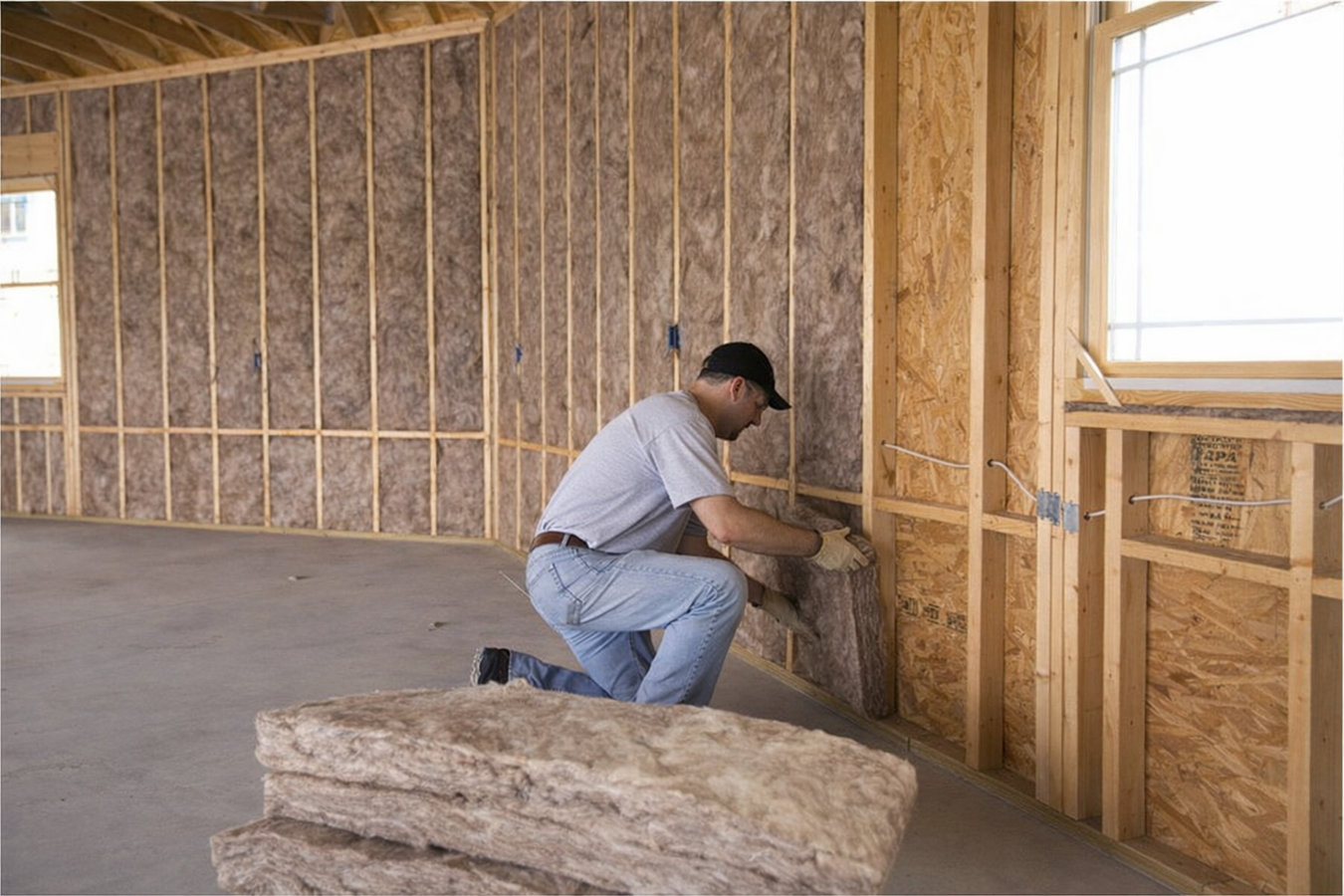
Home insulation in Beckley, WV slows the movement of heat through your attic, walls, and floor - keeping warmth inside in winter and heat out in summer. Most projects covering one or two areas are finished in a single day.
The problem is rarely just one spot. Heat leaves an older Beckley home through the attic, through the crawl space floor, through uninsulated walls, and through every gap around a pipe or wire penetration. That is why a whole-home approach produces more noticeable results than patching one area at a time. If your home was built before 1980 - as many in Raleigh County were - there is a strong chance it has never had an insulation upgrade, and whatever original material is there has likely compressed and lost effectiveness over decades.
Homeowners who are upgrading older attics often find that adding insulation removal first - to clear out damaged or contaminated material - gives the new installation the best possible foundation. The U.S. Department of Energy estimates that properly air-sealing and insulating a home can cut heating and cooling costs for a typical homeowner.
If your gas or electric bill climbs sharply from November through March and you have not changed your habits, heat is escaping through your walls, attic, or floor. Beckley's cold, high-elevation winters put extra pressure on under-insulated homes - the heating system runs almost constantly trying to compensate for what is leaking out.
Stand on your floor in socks on a cold day. If it feels cold or you can feel a draft near the baseboards, cold air is moving up from an uninsulated crawl space below. This is especially common in Beckley homes built on hillside crawl space foundations, where outside air circulates freely under the house.
Walk through your home on a cold January morning. If one or two rooms feel noticeably colder than the rest - especially rooms above a crawl space or at the end of the house - that usually points to missing or inadequate insulation in that area. In Beckley's older housing stock, added-on rooms often lack proper insulation entirely.
If you can safely look into your attic and see the tops of the wooden floor joists through the insulation, there is not enough there for this climate. Insulation that has been in place for decades compresses and loses effectiveness. Given Beckley's cold winters, a thin or degraded attic is one of the fastest ways to lose heat and money.
We insulate every part of a home - attics, crawl spaces, walls, and basements - using the material that fits each application. Attic work almost always uses blown-in insulation because it fills irregular spaces and covers existing framing evenly. Crawl spaces typically get spray foam or rigid board to seal the foundation walls and eliminate cold air movement under the floor. Wall cavities in older homes can be addressed through drill-and-fill injection foam, which adds insulation without opening up finished walls. For homes that need both removal and new insulation, our retrofit insulation service handles the full process - out with the old, in with the new - as a coordinated project.
Every job starts with a free in-home assessment. A technician looks at the attic, crawl space, and any areas of concern, measures what is already in place, and checks for air gaps that need to be sealed before new material goes in. You get a written estimate that explains what is recommended and why - not just a price. We also help you understand what documentation you need to claim utility rebates from Appalachian Power or Mountaineer Gas, and any federal tax credits you may qualify for.
Blown-in cellulose or fiberglass brought to the correct depth for Beckley's climate, with air sealing included on every job.
Spray foam or rigid board applied to crawl space walls and rim joists to stop cold air from moving under your floors.
Injection foam fills wall cavities in older homes without opening finished walls - a practical upgrade for coal-era construction.
For homeowners who want to address every area at once, we coordinate attic, crawl space, and wall work as a single project.
Beckley sits at roughly 2,400 feet on the Appalachian Plateau, which means winters here are colder and longer than at lower elevations in West Virginia. Average temperatures regularly drop into the teens and single digits from December through February, and the area sees meaningful snowfall most years. Those conditions are hard on any home - and particularly hard on the large share of Raleigh County homes built before modern insulation standards existed. Homes from the coal-boom era were built with minimal insulation, and what was installed decades ago has likely settled and compressed. The gap between what those homes have and what they need for this climate shows up directly in heating bills every winter.
The hilly terrain around Beckley adds another layer to the problem. Many homes here are built on crawl space foundations because of sloped lots, and those crawl spaces let cold outside air move freely under the floor all winter. Insulating and sealing the crawl space is often the highest-return project a Beckley homeowner can do - and it also addresses moisture problems that are common in the region's humid summers. We work with homeowners throughout the area, including in Lewisburg and Princeton, where older homes on hilly lots face the same challenges as those in Beckley itself.
We ask a few basic questions - the age of your home, which areas concern you most, and any specific problems you have noticed like high bills or cold rooms. We reply within one business day and schedule your assessment from there.
A contractor visits your home and looks at the areas in question - usually the attic, crawl space, and any accessible wall cavities. They check how much insulation is already there, what condition it is in, and where air gaps need to be sealed. This visit is free.
You receive a written estimate that breaks down the recommended work, where it will be done, and what it will cost. A trustworthy estimate explains why each item is recommended - not just lists a price - so you can compare it against other bids.
The crew seals air gaps first, then installs the insulation. Most single-area jobs finish in one day. Before leaving, the contractor walks you through the finished work and provides any documentation you need for rebates or tax credits.
Free in-home assessment, written estimate, no obligation. We reply within one business day.
(681) 238-4193We give you a written scope and itemized materials before any work begins, plus references from other Beckley jobs whenever you ask. You can see exactly what we plan to do and what you are paying for before signing anything.
Most insulation contractors specialize in one or two applications. We handle attics, crawl spaces, walls, and basements, which means a single contractor can assess and address all the areas where your home is losing heat - no coordinating multiple companies.
Beckley homeowners served by Appalachian Power or Mountaineer Gas may qualify for utility rebates. Federal tax credits are also available on qualifying materials. We help you understand what you qualify for and provide the documentation your accountant needs - it is part of how we do business, not an add-on.
The coal-boom homes built in Beckley between the 1920s and 1960s have framing quirks, irregular spaces, and added-on rooms that require a contractor who knows what to look for. We have worked on enough of these homes to know where the gaps hide and what each area actually needs.
Those four points reflect the way we think every home insulation job should go: verify who you are hiring, address the whole problem, help you get money back where available, and understand the specific home in front of you. Any experienced insulation contractor worth hiring should be able to walk you through the same checklist before work begins.
Safe removal of old, damaged, or contaminated insulation to prepare the space before new material goes in.
Learn MoreA full removal-and-replacement approach for older homes where the existing material needs to come out before proper new insulation can be installed.
Learn MorePlateau winters arrive fast - get your assessment on the calendar before the cold sets in and the schedule fills up.