Loading...
Serving Beckley, WV and surrounding areas. (681) 238-4193
Most Beckley attics are under-insulated by today's standards. Blown-in insulation fills every gap and brings your home up to where it needs to be - usually in a single day.
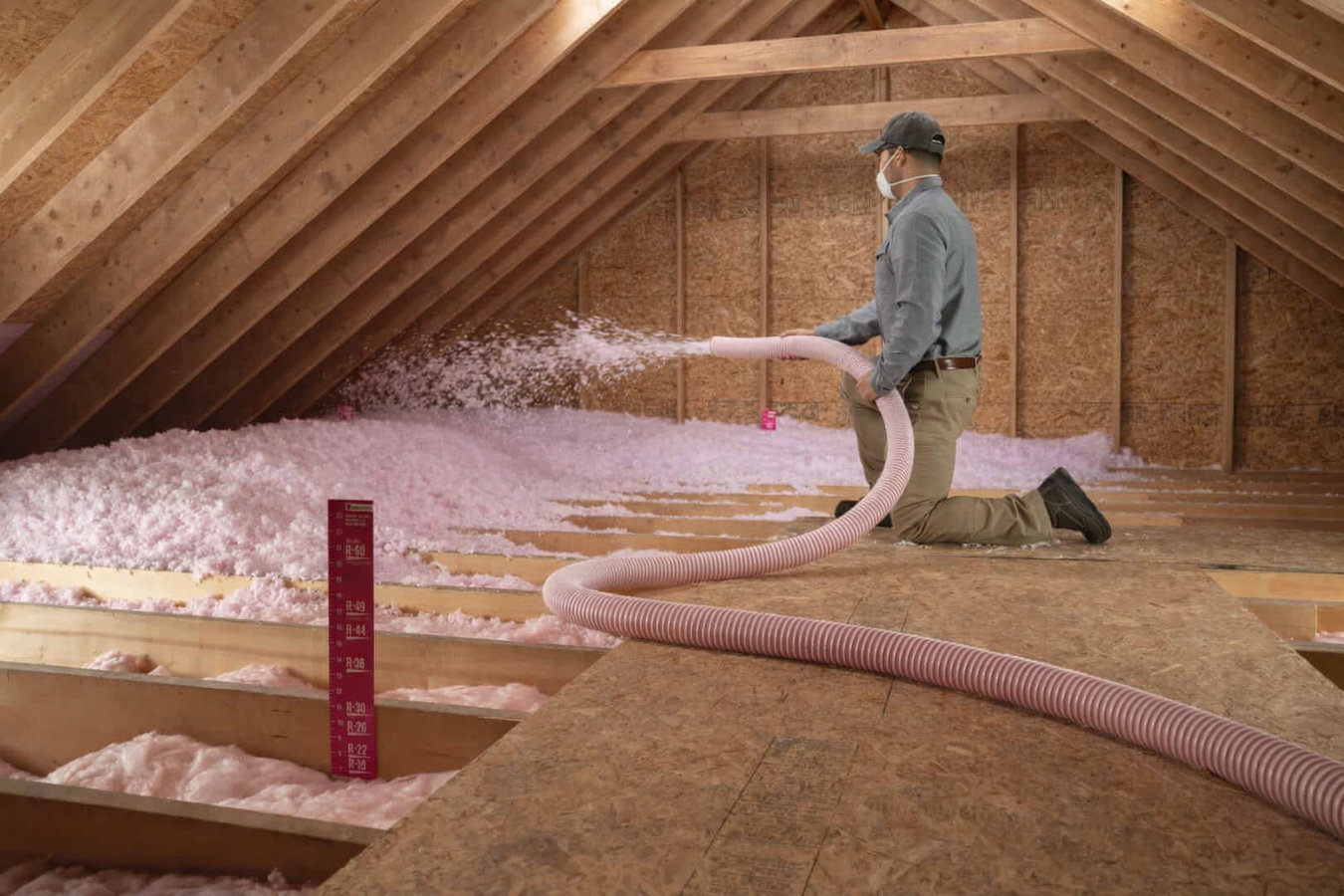
Blown-in insulation in Beckley, WV is loose material - usually fiberglass or cellulose - pumped through a hose and blown into your attic until it reaches the right depth for this climate. Most jobs in a single-family home are finished in one day.
The reason homeowners choose blown-in over batts is coverage. Loose-fill material flows around existing framing, wiring, and fixtures - filling the irregular spaces that rigid boards or pre-cut batts leave exposed. If your Beckley home was built before the 1980s, those gaps are almost certainly there, and they are costing you money every winter. Blown-in insulation is also one of the most practical options when you want to upgrade what is already in your attic without tearing anything out first.
If you have been looking at attic insulation options in general, blown-in is usually the first recommendation for existing homes because of how quickly and cleanly it goes in. The U.S. Department of Energy recommends an R-value between R-49 and R-60 for attics in West Virginia's climate zone - a target that most older Beckley homes fall well short of.
If your gas or electric bill spikes from October through March and stays high even when you keep the thermostat modest, your attic is letting heat escape faster than your furnace can replace it. Beckley's cold, high-elevation winters make this one of the clearest signs that blown-in insulation would pay for itself relatively quickly.
If one bedroom or a corner of your living room is noticeably colder than the rest of the house in winter, the insulation above that area may be thin, missing, or compressed. Beckley's older homes - especially those with additions - often have uneven attic coverage that creates these cold pockets.
If you look into your attic and can see the tops of the wooden floor joists above the insulation, there is not enough material there. Many Beckley homes built in the 1950s through 1970s have original insulation that has compressed over decades and may be doing very little at this point.
Ice dams - the ridges of ice that build up along the eaves in winter - happen when heat escaping through your attic melts snow on the upper roof, which refreezes at the cold edge. Beckley's combination of heavy snowfall and cold temperatures makes ice dams a real concern, and blown-in insulation is one of the most effective ways to prevent them.
We install both cellulose and fiberglass blown in insulation, choosing the right material based on your attic conditions, your moisture exposure, and your budget. Every installation begins with an air sealing step - closing gaps around light fixtures, pipes, and framing - so the insulation layer on top can do its full job. Clients interested in a whole-home solution often pair blown-in attic work with our home insulation service, which addresses walls and crawl spaces alongside the attic in a single coordinated project.
Before we quote any job, a technician visits your home to measure what is already in the attic, check for moisture or damage, and identify any air gaps. You get a written quote that spells out the finished depth and what is included - no surprises on installation day. We also help you understand what documentation you need to claim any federal tax credits or weatherization assistance you may qualify for.
Made from recycled paper treated to resist fire and pests - a good fit for attics in older Beckley homes where filling irregular spaces thoroughly is the priority.
Long-lasting and moisture-resistant, suited for attics with ventilation concerns or homes where the owner wants a material that will not need a top-up for decades.
Adds blown-in material over existing insulation to bring thin or settled attics up to the depth recommended for Beckley's climate zone.
The complete approach for older homes - seals air bypasses first, then installs a full depth of blown-in material for the best possible energy performance.
Beckley sits at roughly 2,400 feet on the Appalachian Plateau, which puts it in a colder climate zone than most West Virginia cities at lower elevations. Winter temperatures regularly drop into the single digits, and the heating season stretches from October through April. At the same time, a large portion of Beckley's housing stock was built before modern insulation standards existed - many homes in older neighborhoods date to the coal-boom decades of the 1920s through 1960s. These homes were rarely insulated to today's R-value recommendations, and whatever original material they had has likely compressed and lost effectiveness over the years. Blown-in insulation is the most practical way to bring these attics up to where they need to be without a major renovation.
Moisture is also a local factor. Beckley's mountain climate brings significant humidity, and the freeze-thaw cycles common through the winter months can drive moisture into attic spaces that are not properly ventilated. A contractor working in this area should check ventilation as part of the assessment - good airflow protects your insulation investment over the long term. We work throughout the region, including homeowners in Oak Hill and Fayetteville, where older housing stock and high-elevation winters create the same insulation challenges as Beckley itself. The ENERGY STAR Seal and Insulate program provides guidance on recommended insulation levels for each climate zone.
When you call, we ask a few basic questions about your home's age, size, and any specific concerns. We reply within one business day and can usually schedule your assessment within a week or two.
A technician visits and measures your existing insulation depth, checks for moisture or damage, and identifies air gaps that should be sealed first. You get a written quote that spells out the finished depth and what is included.
Clear a path to your attic hatch - move any furniture or boxes blocking access. If you have belongings stored in the attic, let us know so we can plan around them. No other preparation is needed.
The crew runs the blowing machine from outside and fills your attic in sections, checking depth as they go. Before leaving, they measure the finished depth in multiple spots, show you the results, and clean up near the hatch.
Free assessment, written quote, no obligation. We reply within one business day.
(681) 238-4193Blown-in insulation over unsealed gaps leaves money on the table. We seal attic bypasses - around light fixtures, pipes, and framing - before a single bag of material goes in. That step is what separates a thorough job from a quick one.
Our quotes specify the finished insulation depth in inches, not just a project price. That means you can compare bids accurately and know exactly what you are getting before any work begins.
We give you a written scope and itemized materials before any work begins, and references from other Beckley jobs whenever you ask. You can see exactly what we did and what you paid for - it is worth confirming for any job.
We have worked on older Beckley homes long enough to know what the coal-boom construction of the 1920s through 1960s looks like from the inside - unconventional framing, added-on rooms, and hidden air pathways that a first-time contractor might miss. Local knowledge matters here.
Every one of those points adds up to a job you can see and verify before we leave. We measure the finished depth, walk you through the attic, and hand you the documentation you need for any tax credits or weatherization assistance you qualify for.
A whole-home approach that covers the attic, walls, and crawl space together for homeowners who want to address every area at once.
Learn MoreFocused attic service with depth assessment and air sealing for homes where the attic is the primary source of heat loss.
Learn MoreAppalachian winters do not wait - lock in your installation date before the cold sets in and the schedule fills up.