Loading...
Serving Beckley, WV and surrounding areas. (681) 238-4193
Your attic is likely the biggest source of heat loss in your home. An upgrade brings your insulation up to what this climate actually demands - so your furnace runs less and every room finally stays the temperature you set.
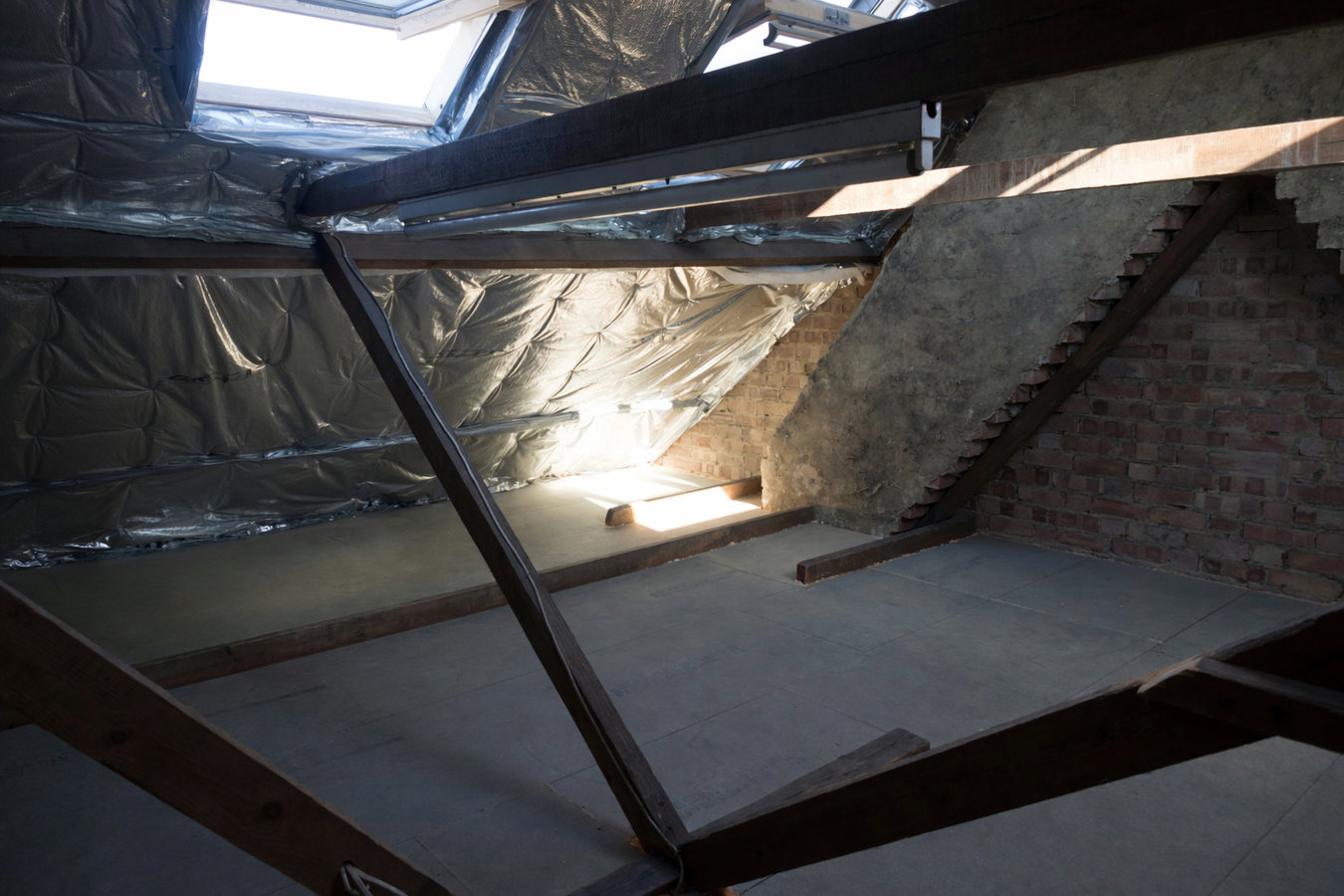
Attic insulation in Beckley, WV works like a thick blanket between your living space and the cold outside air - slowing heat loss in winter and blocking heat from baking through your ceiling in summer, with most upgrade jobs completed in a single day.
Without enough insulation, your heating system runs constantly trying to make up for what is escaping through the attic floor. The federal government recommends R-49 to R-60 for attics in this region - roughly 14 to 18 inches of blown-in material. A large share of Beckley homes were built before 1980 and fall well short of that. If your home has never had an insulation upgrade and you have noticed high heating bills, cold spots near the ceiling, or rooms on the top floor that never quite reach the temperature you set, the attic is almost certainly the reason.
Attic insulation also works best when it is paired with air sealing. Gaps around light fixtures, plumbing penetrations, and the tops of interior walls let warm air stream straight out before the insulation even gets a chance to slow it down. If you are also looking into attic air sealing as a separate service, doing both at the same time is almost always more cost-effective than two separate visits. The ENERGY STAR Seal and Insulate program provides guidance on why combining both steps delivers significantly better results than insulation alone.
If your energy bills spike sharply from November through March and your home still has cold spots near the ceiling or in upstairs rooms, your attic is likely the culprit. Beckley's elevation and long winters mean heat loss through an under-insulated attic is one of the fastest ways to waste money on heating - especially in homes built before 1980.
If you look into your attic and can see the wooden beams above the surface of the insulation, you almost certainly do not have enough. Properly insulated attics in this climate zone should have insulation deep enough to completely bury those beams. If you can see them, heat is escaping through those exposed areas every single day.
When the attic is poorly insulated, the ceiling becomes a weak point. Upstairs rooms feel drafty or cold in winter even with the heat running, and stuffy and hot on summer afternoons. If there is a consistent temperature difference between your top floor and the rest of your home, the attic is the first place to investigate.
Ice dams are ridges of ice that build up at the edge of your roof after snowfall. They happen when heat escaping through an under-insulated attic melts snow on the upper roof, and that water refreezes at the cold eaves. Beckley gets enough winter snow that ice dams are a real concern - and they can force water under your shingles and into your home. Proper attic insulation cuts off the heat source that starts the cycle.
We install blown-in insulation and attic batt systems, and we pair every installation with a thorough air sealing pass to close the gaps that let warm air escape before the insulation even has a chance to slow it down. Blown-in loose fill is our most common recommendation for attic upgrades - it settles into every corner and gap, can be added on top of existing insulation in most cases, and brings total depth up to what current standards require for Beckley's climate zone without requiring a full tear-out.
Before any material goes in, we assess the attic for moisture, check the existing insulation type and depth, inspect ventilation to make sure eave airflow will be protected, and identify gaps around penetrations that should be sealed first. We also check whether existing insulation needs to come out or can stay in place. If old material is dry and pest-free, topping up is almost always the more cost-effective path. We handle everything in one visit and leave the work area clean.
The most common upgrade for Beckley homes - blown directly over existing insulation to bring total depth up to the recommended level for this climate.
Pre-cut batts installed between attic floor joists, well-suited for new construction or full attic renovations where the floor is clear.
Sealing gaps around light fixtures, plumbing penetrations, and wall top plates before insulation is added - the step that makes the insulation actually perform as intended.
We identify what is already in your attic, advise on whether it stays or goes, and handle removal cleanly when it is the right call.
Beckley sits at about 2,400 feet elevation in the Appalachian coalfields, which gives it significantly colder winters than most of West Virginia's lower-elevation cities. Average January lows drop into the teens, and meaningful snowfall is common most years. That means your attic insulation has to work harder here than it would in, say, Charleston or Huntington - and homes that are under-insulated feel it immediately in their heating bills and in cold spots near ceilings and exterior walls. Many of the single-family homes in Beckley were built between the 1940s and 1970s, when insulation standards were far lower than they are today. If your home was built before 1980 and has never had an upgrade, there is a strong chance it falls well short of what the current recommendation calls for in this climate zone.
The southern West Virginia region also receives significant annual rainfall, and Beckley's older homes sometimes have attic moisture issues tied to inadequate ventilation or past roof leaks. Moisture-damaged insulation loses most of its effectiveness and can harbor mold. This is why we inspect for moisture before any new material goes in - insulating over a moisture problem makes things worse, not better. We serve homeowners across the region, including Lewisburg and Summersville, and the older housing stock and cold-winter conditions we see in Beckley are consistent across the area. Attic insulation upgrades are one of the highest-impact improvements you can make to a mid-century home in this region - the combination of cold winters and under-insulated attics means the savings are measurable from the first heating season after the work is done.
We ask a few basic questions - the age of your home, whether you have had insulation work done before, and whether you have noticed specific problems like cold rooms or high bills. We respond within 1 business day and can typically schedule a free in-home assessment within the week.
We measure what is already in the attic, check for moisture or pest issues, inspect the ventilation, and look for air gaps that need sealing before new material goes in. You receive a written estimate covering all included work - air sealing, insulation material, any removal, and cleanup - before you agree to anything.
We clear a path to your attic access point and run a hose from our equipment to blow insulation to the correct depth across the full attic floor. Most jobs take two to five hours. You can stay home during the work - there will be some noise from the machine and a small amount of dust near the access hatch, which clears quickly.
When we finish, we walk you through what was completed - including photos of the finished attic if you cannot access it easily - and confirm the depth installed. We provide documentation for any utility rebate through Appalachian Power or federal tax credit before we leave. You should not have to track down your paperwork.
We will assess your attic, tell you exactly what we find, and give you a written estimate before any work begins. No pressure, no guesswork.
(681) 238-4193We give you a written scope and itemized materials before any work begins, so you have a clear record of what went into your attic. That documentation also helps if a buyer's inspector asks for details when you sell, and it makes filing for rebates or tax credits straightforward.
We do not recommend a product before we see your attic. We check what is already there, look for moisture and pest issues, inspect the ventilation, and identify what needs to happen before new insulation goes in. You get a recommendation that fits your home specifically - not a one-size-fits-all quote based on square footage alone.
Blowing in new insulation on top of air leaks is like putting a blanket over a window that is cracked open. We seal gaps around penetrations before any material goes in, because that step is what makes the insulation actually perform the way the numbers on paper suggest it should. The North American Insulation Manufacturers Association provides guidance on why this sequence matters.
You receive a written breakdown of what is included - air sealing, insulation type and depth, any removal of old material, and cleanup - before you agree to any work. We do not pressure you to sign on the spot. Take the time to compare two or three estimates if that helps you feel confident about the price.
An attic insulation upgrade in a Beckley home that has never been touched since it was built is one of the highest-return improvements you can make. The combination of cold winters, older housing stock, and the current availability of federal tax credits and utility rebates makes the timing as favorable as it has been in years.
Blown-in loose fill for attics and wall cavities - the most common method for topping up existing insulation in Beckley's older homes without a full tear-out.
Learn MoreSealing the gaps and penetrations in your attic floor that let heated air escape before insulation can slow it - the step that makes insulation perform as advertised.
Learn MoreWith federal tax credits available and Appalachian Power rebate programs running, this is one of the better times to upgrade. Call us or fill out the form and we will have a written estimate to you within 1 business day.