
Loading...
Serving Beckley, WV and surrounding areas. (681) 238-4193
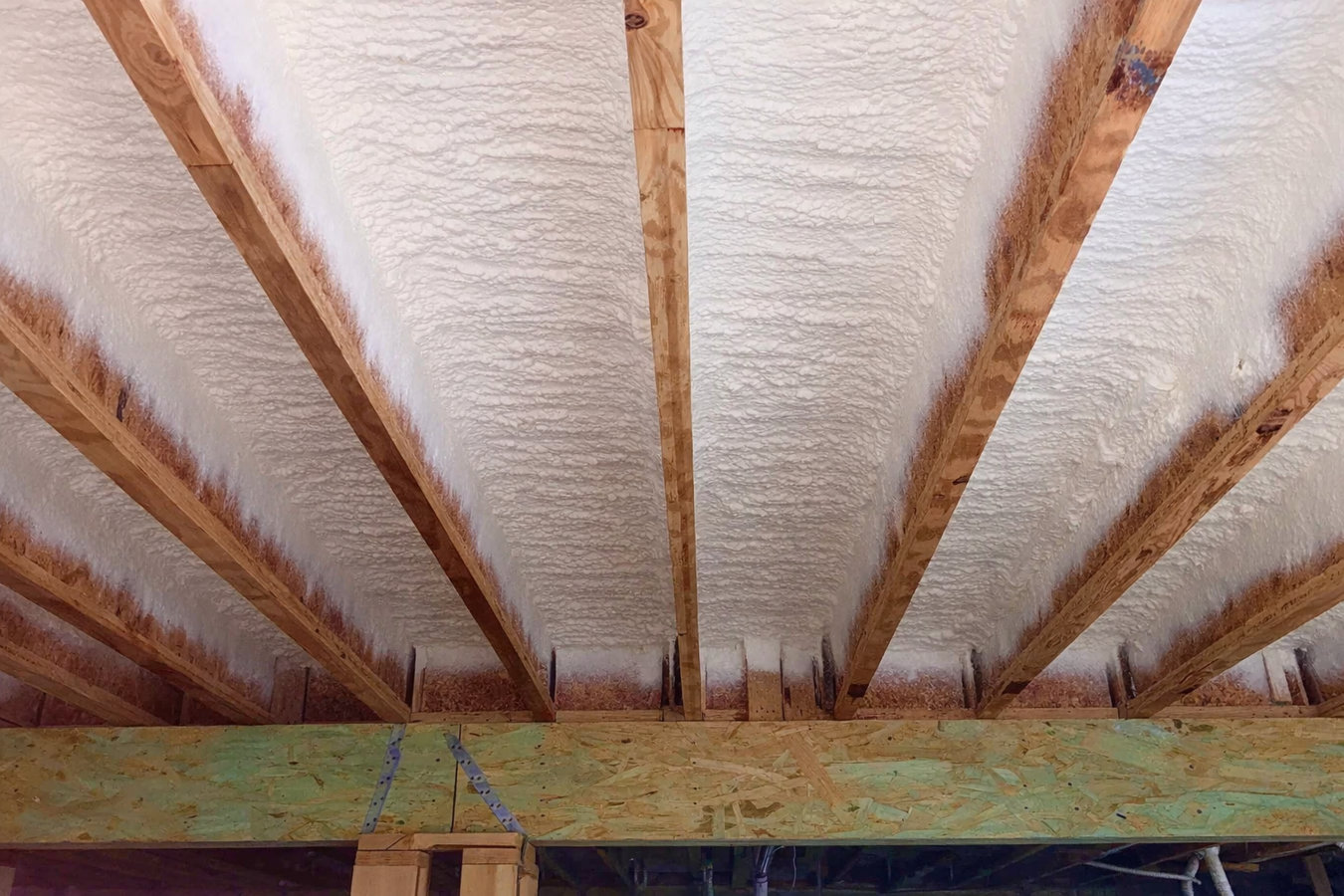
Cold floors and rising heating bills are signs your crawl space is pulling heat out of your home every day. We fix that with the right insulation for Beckley's climate and housing stock.
Crawl space insulation in Beckley acts as a thermal blanket between the cold ground and your living floors, stopping heat from escaping in winter - most installations take one to two days and homeowners notice the difference within the first full heating season.
A large share of Beckley's homes were built between the 1940s and 1970s, when crawl space insulation standards were minimal or nonexistent. If your floors feel cold through your socks in January and your heating system seems to be working overtime, the crawl space is often the culprit - not the furnace.
Depending on what we find down there, the job may also include a ground vapor barrier or moisture remediation before new insulation goes in. In many cases, homeowners also benefit from pairing crawl space work with wall insulation or a crawl space vapor barrier to address moisture at the source.
If you walk across your kitchen or living room in winter and the floor feels noticeably cold through your socks, the crawl space below is likely losing heat to the outside. In Beckley's winters, this is one of the most common complaints homeowners have before they discover their crawl space insulation is missing or has failed. It is not a heating system problem - it is a floor problem.
If your gas or electric bill has been creeping up over the past few winters and nothing obvious has changed, heat loss through an uninsulated or damaged crawl space is a likely culprit. Beckley's long heating season amplifies this - even a modest amount of heat escaping through the floor adds up over a six-month winter. A quick look under the house can often confirm whether insulation is the issue.
If you have ever opened the crawl space hatch and noticed a damp, musty smell, moisture has been building up down there. In the Appalachian climate around Beckley, ground moisture and seasonal humidity make this a common problem, and wet insulation is essentially useless - it holds moisture against the wood and can lead to mold and rot over time.
West Virginia's geology puts Raleigh County in the highest radon risk category, and if a home test showed elevated levels, your crawl space is a likely entry point. Sealing the crawl space properly - including the ground and any gaps around pipes - is one of the recommended steps for reducing radon exposure. If a radon test concerned you, a crawl space inspection is a logical next step.
We offer both floor joist insulation and full crawl space encapsulation, and the right approach depends on what we find when we go down there. Floor joist insulation places material between the beams supporting your floor - the traditional approach that works well when the crawl space is dry and ventilated. Encapsulation seals the entire crawl space - walls, ground, and vents - turning it into a controlled environment that manages moisture more aggressively. For many Beckley homes dealing with humidity and ground moisture, encapsulation performs better over the long term.
If old insulation needs to come out first, we handle that before new material goes in. We also pair crawl space insulation with a crawl space vapor barrier when moisture is a factor, and with wall insulation for homeowners who want to address the whole envelope at once. One contractor, one project, one point of contact.
Best for homes with dry, well-ventilated crawl spaces where the primary goal is stopping heat loss through the floor.
Suited to homes with persistent moisture issues, elevated humidity, or radon concerns - seals the entire crawl space as a controlled zone.
For homes where existing material is wet, sagging, or pest-affected and must be cleared out before new insulation can perform properly.
Adds a continuous ground cover to reduce moisture intrusion - often done alongside insulation to address the root cause, not just the symptom.
Beckley's elevation - roughly 2,400 feet in the Appalachian Plateau - makes it one of the colder cities in West Virginia, with a heating season that runs from October through April. That extended cold season means every month of inadequate floor insulation is costing you real money. The hilly terrain around Beckley also means many homes sit on sloped lots with crawl space access on the exterior, which creates conditions where ground moisture and cold air move in together. Raleigh County's placement in the EPA's highest radon risk zone adds another reason to take crawl space sealing seriously beyond just comfort and energy savings.
We serve homes throughout the area, including in Hinton and Lewisburg, where Appalachian climate conditions and older housing stock create the same challenges as in Beckley. If you have never had your crawl space inspected and your home was built before 1980, the odds are good that what is down there is not doing the job it was meant to do.
We reply within one business day. We will ask about your home's age, any moisture issues you have noticed, and whether you know what is currently in the crawl space. This helps us arrive prepared and know what to look for.
We go into the crawl space - not just peek in with a flashlight. We look at the current insulation, moisture levels, the ground cover, and any signs of mold, pest activity, or water intrusion. A contractor who quotes you over the phone without seeing the space is guessing.
After the walkthrough you receive a written estimate spelling out exactly what work will be done, what materials will be used, and the total cost. We explain each recommendation in plain language - no pressure to decide on the spot.
The crew works in and around the crawl space, removing old material if needed and installing new insulation and any vapor barrier work. Most jobs wrap up in one to two days. Before leaving, we show you photos from inside the space and tell you what to watch for.
No obligation. We come out, look at what is actually under your home, and give you a written estimate you can compare. No phone guesses, no surprises.
(681) 238-4193Raleigh County is in the EPA's highest radon risk zone, and we factor that into every crawl space job we do here. A properly sealed crawl space with a continuous ground cover reduces one of the primary pathways radon uses to enter your home. We treat this as a baseline consideration, not an upsell.
Adding insulation to a wet crawl space can make mold problems worse, not better. We assess moisture levels during the walkthrough and recommend vapor barrier work or drainage improvements before new insulation goes in. Addressing moisture first is what separates a job that lasts from one that fails in a few years.
We give you a written scope and itemized materials before any work begins, along with references from other Raleigh County crawl space jobs whenever you ask. You can see exactly what we plan to do and what you are paying for - a detail worth confirming before any contractor touches your crawl space.
Many Beckley homes built during the coal-era were constructed with minimal crawl space standards - irregular access points, no vapor barriers, and insulation that was thin to begin with. We know what to expect in homes of this age and come prepared with the right materials and approach for conditions that newer builds simply do not have.
When you combine a moisture-first approach, radon awareness, and a physical inspection before every estimate, you get crawl space work that actually holds up through Beckley's winters. That combination is what our customers in Raleigh County count on.
For more on crawl space energy performance, see the U.S. Department of Energy guidance on insulation and the EPA radon information for homeowners.
Extend your home's thermal envelope by insulating exterior walls alongside your crawl space upgrade.
Learn MoreA continuous ground cover that stops moisture from rising into your crawl space and degrading your insulation.
Learn MoreBeckley's heating season runs nearly half the year - every week without proper crawl space insulation is a week of heat escaping through your floors.